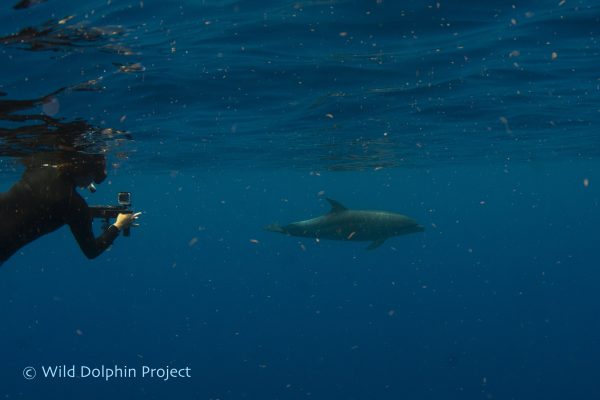
A Surprise Encounter With Offshore Bottlenose Dolphins
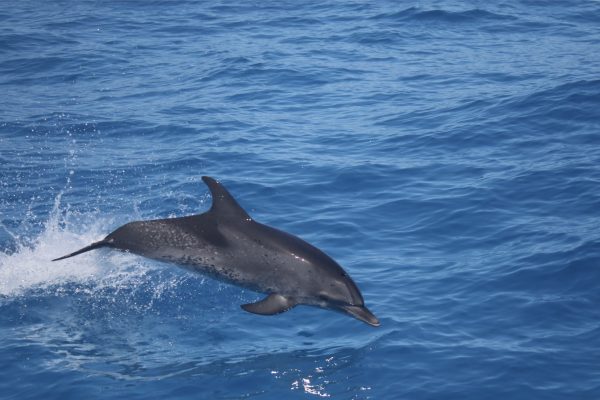
By Trip 8, we had settled into the rhythm of working on the bank and the season was almost at an end. This one particular late August morning, we had spent time with the Atlantic spotted dolphins, collecting behavioral data and observations as we followed the group through the water.
How Do Scientists Collect DNA From Wild Dolphins Without Capturing Them?
Swimming with wild dolphins is an incredible way to study them. As researchers, we can observe their behavior up close, record their sounds, and document interactions that would be difficult to see from a boat. There is so much happening below the surface that we can capture! And sometimes, the
Field Season Blog: Trip 4
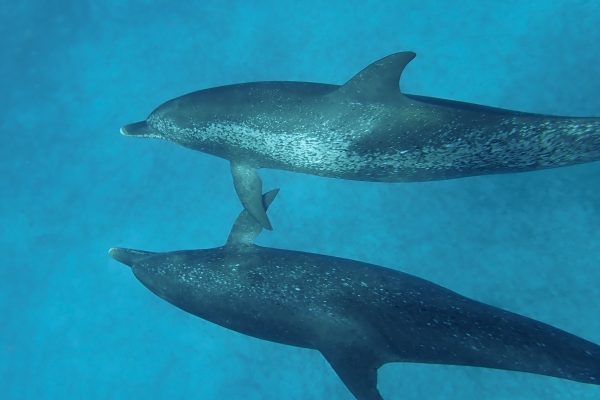
Trip 4: The Calm Between the Clicks Every trip out on the water brings something different, and trip 4 was no exception. While we were fortunate to have beautiful weather, bringing about lots of opportunities for encounters, we quickly noticed a pattern in the Atlantic spotted dolphins’ behavior. Being among
Field Season Blog: Trip 3
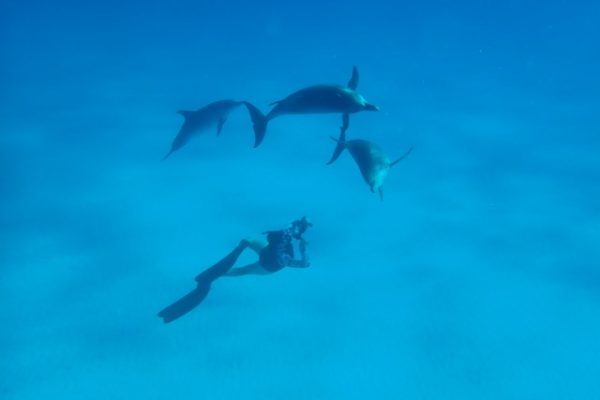
Trip 3: The Fins in the North This year has continued to bring us unexpected curveballs this field season. Following our second trip, our research vessel Stenella needed a little T.L.C. in the yard before going back out to the Bahamas. After her week at the “boat spa”, she
Field Season Blog: Trip 2
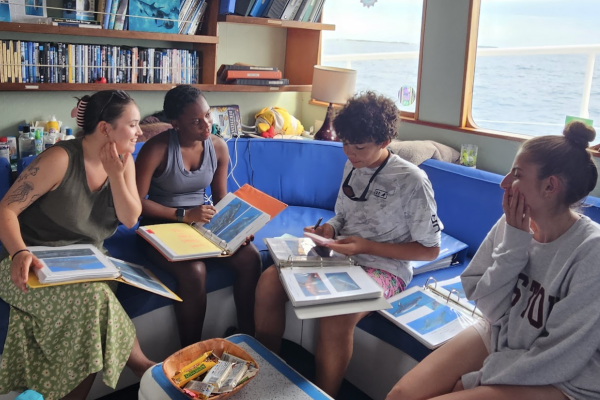
Trip 2: Close Encounters of the Dolphin Kind After an eventful first trip of our 42nd season, we were all eager to get back to the Bahamas to continue our field work. Unfortunately, Mother Nature had other plans. Due to rough seas, we could not cross over on our usual
Field Season Blog: Trip 1
Trip 1: Forty-Two Seasons and Counting The 42nd summer season is officially underway, and if the first trip was any indication, we are in for a very exciting summer at sea. The Bahamas welcomed us back with a little bit of everything: gorgeous dolphin encounters, beautiful snorkels, and amazing
Meet our Intern: Taylor Snudden
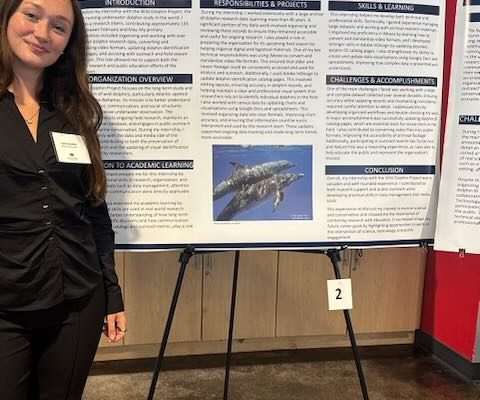
Growing up in New Jersey, Taylor always knew she wanted to work with animals and contribute to conservation efforts. Her passion for wildlife led her to a job at a conservation zoo, where she gained hands-on experience caring for animals and educating visitors about the importance of protecting them. But it
Meet our Intern: Amber Sylvester
As a biology student at Florida Atlantic University entering her fourth year, Amber has always been fascinated by the natural world. Growing up in several different places exposed her to a variety of ecosystems and sparked an early curiosity about how plants, animals, and environments interact. Her time living in
A Day in the Life on a Wild Dolphin Project Research Boat
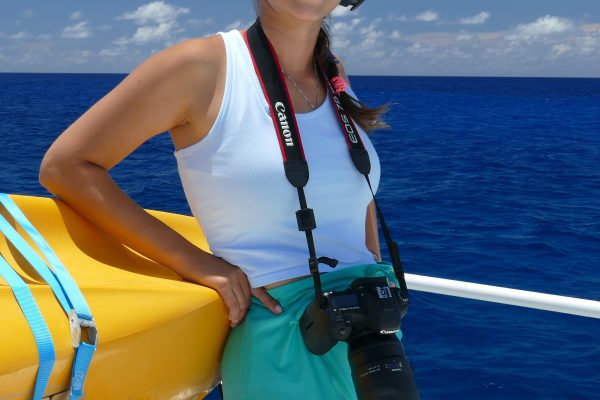
What does a typical day look like aboard a Wild Dolphin Project research vessel? The short answer: every day is different. Some days are packed with dolphin encounters from sunrise to sunset. Other days, despite hours of searching, the dolphins remain elusive. That’s the nature of field research—you never know
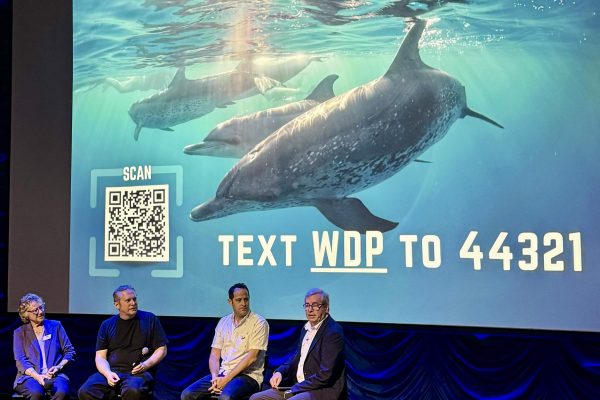
Wild Ocean Science Recap: What we can learn from the whales’ way of life
Our annual Wild Ocean Science evening felt like a reunion of people who share a deep, enduring connection to the ocean. From the moment guests arrived, there was a strong sense of energy in the room—scientists, longtime supporters, ocean advocates, and curious newcomers all gathering with a shared purpose: to