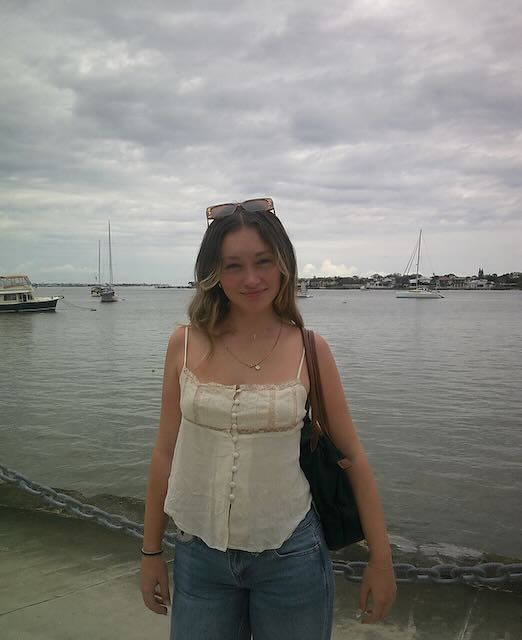
Growing up in New Jersey, Taylor always knew she wanted to work with animals and contribute to conservation efforts. Her passion for wildlife led her to a job at a conservation zoo, where she gained hands-on experience caring for animals and educating visitors about the importance of protecting them. But it wasn’t until she moved to Florida to study biology at Florida Atlantic University that she began to see a future in marine science.
Now, after completing her internship with the Wild Dolphin Project, she has gained a firsthand look at the research, preparation, and dedication that go into studying wild dolphins. From helping organize field season logistics and managing research materials to participating in community outreach events, the experience has deepened her appreciation for marine conservation and strengthened her interest in pursuing a career in research.
In this Q&A, she shares what she learned, what surprised her most, and how the internship helped shape her future goals.
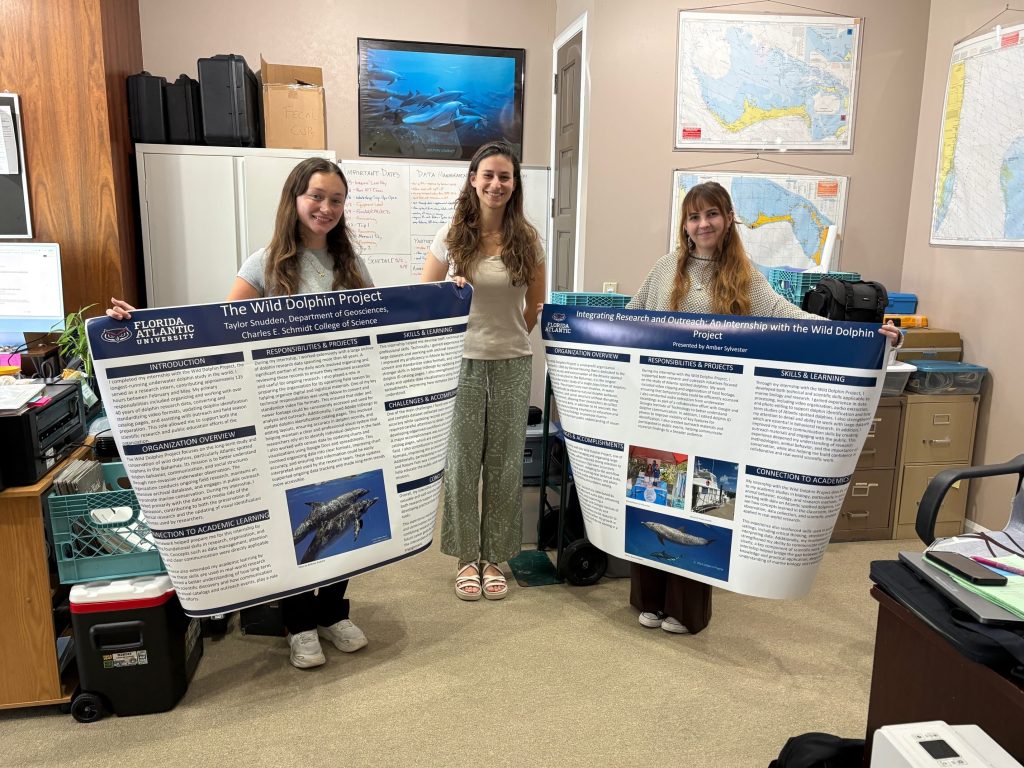
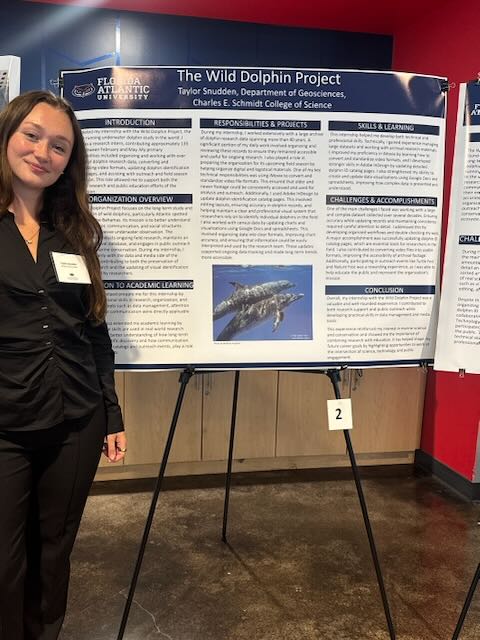
WDP intern, Taylor, on left, presenting a poster of her research at FAU.

What made you want to apply to the Wild Dolphin Project specifically?
I was really drawn to the Wild Dolphin Project because of its focus on long-term, non-invasive research. I think it’s really important to study animals in their natural environment without interfering with their behavior, and that approach really stood out to me. I also liked that the project has been collecting data for so many years, which makes the research incredibly valuable. It felt like a unique opportunity to be part of something meaningful and well-established.
What does a typical day as an intern look like?
A typical day as an intern usually starts with arriving at the office and checking in with the research assistant, Alexandra, to go over tasks for the day. Throughout the semester, I’ve worked on a variety of projects, including converting video formats using iMovie and updating dolphin ID cards to reflect data from the previous field season. More recently, I’ve been helping prepare for the upcoming field season by checking inventory, updating census lists, and making sure equipment like camera batteries are fully charged and ready to go.
What has been your most memorable moment during your time here?
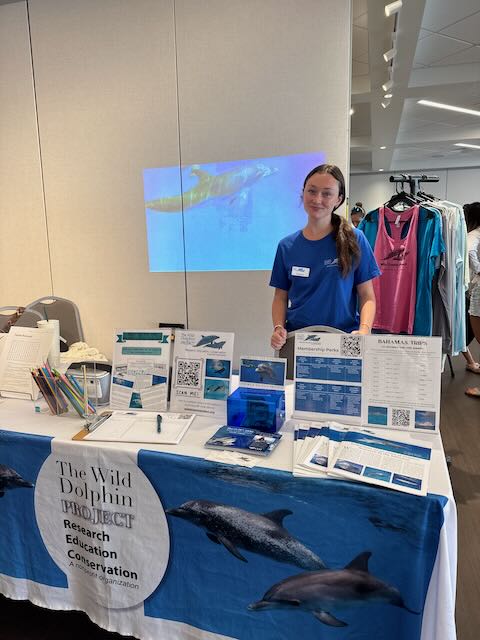
One of my most memorable experiences was attending Turtle Fest at the Loggerhead Marinelife Center with Alexandra and the other intern, Amber. It was a large outreach event where we had a table representing the project and got to talk to the public about what we do at the Wild Dolphin Project. It felt really rewarding to share the work with others and see how interested people were in dolphin research and conservation.
What’s something new or surprising you’ve learned while working with the team?
One thing that really surprised me is how much preparation goes into getting ready for the field season. Before this internship, I didn’t realize how many behind-the-scenes tasks are required before researchers can even get out on the water. From checking and organizing equipment, updating ID cards and census lists, to making sure everything is fully charged and functional, there’s a huge amount of planning involved.
What has been the most challenging part of the internship?
One of the more challenging parts has been learning how much detail and patience goes into research tasks. Even things that seem simple, like organizing data or preparing materials, need to be done very carefully to make sure everything is accurate and useful for the research team. It’s definitely taught me to be more detail-oriented and patient.
How has this experience changed the way you see dolphins or marine research?
This experience has really changed the way I view marine research. While converting video formats, I had the chance to watch footage taken during dolphin encounters. Seeing those interactions up close made the research feel much more personal. Watching how the dolphins interact with each other in their natural environment was really special and gave me a deeper appreciation for the work being done. It also showed me how important it is to document and study these behaviors over time.
What skills or lessons will you take with you moving forward?
I’ve learned a lot about organization, attention to detail, and the importance of preparation in research. I’ve also improved my technical skills, especially when working with video data and research materials. Beyond that, I’ve learned more about how important teamwork and communication are in a research setting.
What are your future goals, and how has this internship influenced them?
My future goal is to pursue a career in science, ideally working in research or conservation. This internship has helped me better understand what that path can look like and what kind of work goes into it on a daily basis. It’s shown me that I really enjoy being involved in the research process, even the behind-the-scenes work, and it’s motivated me to continue gaining experience in this field. Overall, it’s made me more confident that this is the direction I want to go in.
How would you describe your time with the Wild Dolphin Project in one sentence?
My time with the Wild Dolphin Project has been a rewarding, hands-on experience that gave me a deeper understanding of marine research and everything that goes into it.