
Wild Ocean Science Recap: What we can learn from the whales’ way of life
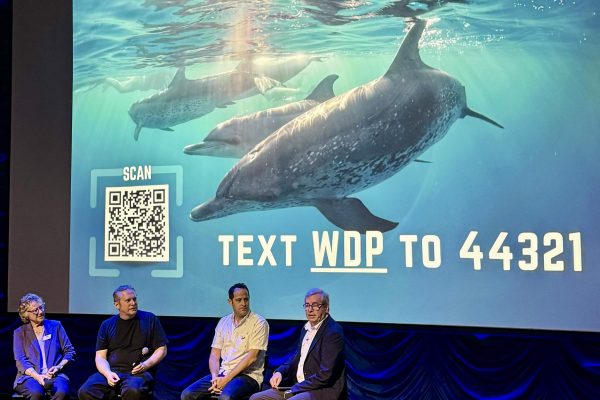
Our annual Wild Ocean Science evening felt like a reunion of people who share a deep, enduring connection to the ocean. From the moment guests arrived, there was a strong sense of energy in the room—scientists, longtime supporters, ocean advocates, and curious newcomers all gathering with a shared purpose: to
Hidden Forests of the Sea: Why Seagrass Matters for Dolphins and Marine Life
When people imagine diverse and thriving marine ecosystems, they often picture colorful coral reefs. Yet one of the most essential essential habitats on Earth is often overlooked: seagrass meadows. These underwater flowering plants (yes, they flower!) form vast, green landscapes that sustain marine biodiversity providing shelter for crabs, fish, and
Listening to Leviathan: What we can learn from the whales’ way of life
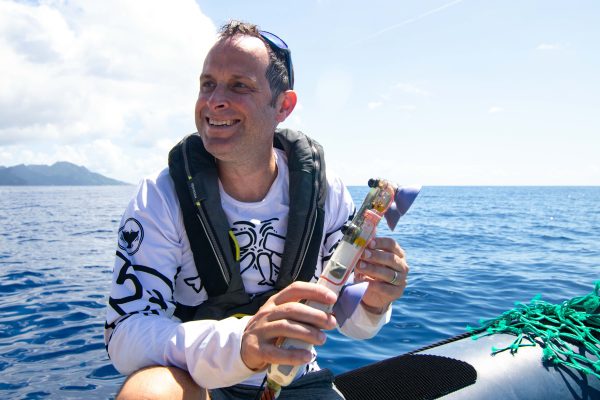
Listening to Leviathan: What we can learn from the whales’ way of life At this year’s Wild Ocean Science Event, we were honored to welcome Dr. Shane Gero, Founder of the Dominica Sperm Whale Project,Biology Lead for Project CETI (Cetacean Translation Initiative), Scientist-In-Residence at Canada’s Carleton University, and a National
Sperm Whales: Deep-Diving Giants of the Ocean
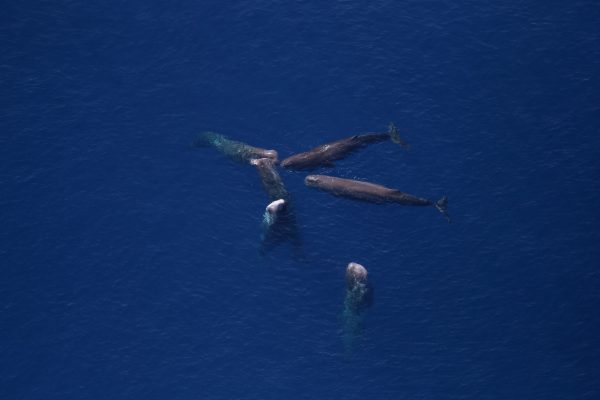
In March, Dr. Shane Gero will be joining us at our 8th annual Wild Ocean Science event and sperm whales will be the topic of conservation! So, read on to learn a little bit more about Dr. Gero and sperm whales. In 2005, Dr. Gero founded the Dominica Sperm
How Dolphins Communicate
Dolphins live in a world shaped by sound. In the ocean, where visibility can be limited, sound travels farther and faster than light. Dolphins have evolved highly sophisticated ways to produce, interpret and respond to acoustic signals—allowing them to coordinate behavior, maintain social bonds, find food and navigate their
12 Ways to Save Dolphins
12 Ways to Save Dolphins Practical ways to protect dolphins and the ocean they depend on. Dolphins are highly intelligent, social animals whose survival is closely tied to the health of the ocean. More than four decades of non-invasive research by the Wild Dolphin Project (WDP) have revealed how dolphins
How Dolphins Are Similar to People
When people spend time watching wild dolphins, one thing becomes clear very quickly: these animals are not just swimming mammals — they are thinkers, communicators, and social beings with complex lives. Decades of research by the Wild Dolphin Project (WDP), and other researchers, have helped scientists understand just how much