
12 Ways to Save Dolphins
Practical ways to protect dolphins and the ocean they depend on.
Dolphins are highly intelligent, social animals whose survival is closely tied to the health of the ocean. More than four decades of non-invasive research by the Wild Dolphin Project (WDP) have revealed how dolphins communicate, socialize and respond to environmental change. Many of the pressures dolphins face today stem from human activity, but informed individual choices can play a meaningful role in their protection.
This list of 12 ways to save dolphins highlights practical actions that support dolphin conservation while strengthening the science that helps protect them.
1. Supporting Science and Conservation
Long-term, non-invasive research is essential for understanding dolphin communication, social structure, and population health. Supporting organizations like the Wild Dolphin Project helps ensure that dolphin research continues without captivity, tagging, or interference, allowing dolphins to be studied as they truly live in the wild.
2. Supporting Ocean Protection Policies
Strong conservation outcomes depend on science-based policy. Supporting marine protected areas and ocean-friendly legislation ensures that research findings — including those from WDP — can be translated into effective protections for dolphins and their habitats.
3. Reducing Plastic Pollution
Plastic pollution enters dolphin habitats directly and through the food web. Reducing single-use plastics and supporting waste reduction efforts helps limit these impacts.
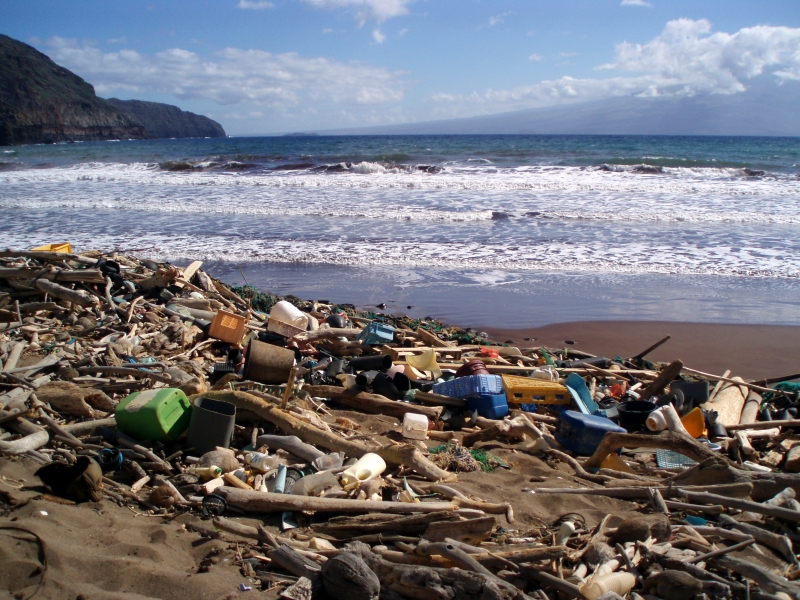
Plastic debris on a Hawaiian beach. (Photo Credit: NOAA)
4. Responsible Wildlife Tourism
Dolphin tourism can either support conservation or disrupt natural behavior. Choosing tour operators that follow established wildlife-viewing guidelines, comply with laws such as the Marine Mammal Protection Act and the Endangered Species Act, and prioritize dolphin welfare helps reduce stress on wild populations. Supporting organizations that study dolphins in their natural habitats also contributes to the development of best practices for responsible wildlife tourism worldwide.
5. Boating Responsibly Around Marine Mammals
Sound is essential to how dolphins navigate, find food, and communicate. Excessive boat noise and reckless operation can disrupt these critical behaviors. Boaters can help by slowing down in known dolphin habitats, obeying no-wake and wildlife protection zones, and avoiding sudden turns or speed changes near dolphins. Choosing tour operators and marinas that prioritize responsible boating practices also plays an important role in protecting dolphins and their ocean home.
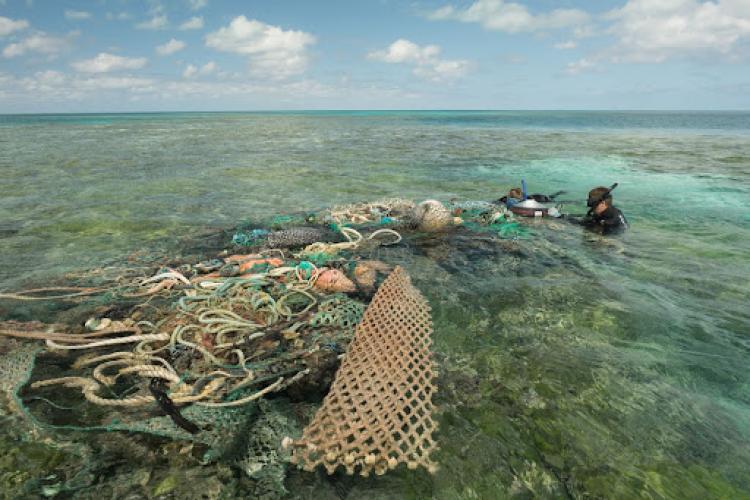
6. Reducing Consumer Impact
9. Educating the Next Generation
Early exposure to accurate science builds lifelong respect for wildlife. Educational programs and outreach supported by conservation nonprofits help connect young people with dolphin research and the importance of healthy oceans.
At the Wild Dolphin Project, we give educational talks at nature centers and public events, and host book signings at annual fundraiser event, like Wild Ocean Science!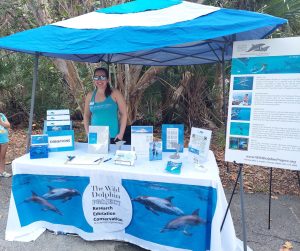
10. Volunteer With Marine Mammal Stranding Networks
When dolphins strand or are injured, trained volunteer networks play a critical role in response, rescue, and data collection. Volunteering with certified marine mammal stranding organizations helps ensure animals receive proper care while contributing valuable information that scientists use to better understand threats to dolphin populations and improve conservation strategies.
11. Supporting Habitat Protection on Land
What happens on land doesn’t stay on land. Runoff from agriculture, lawns, and urban development carries nutrients, chemicals, and pollutants into coastal waters, degrading dolphin habitats and prey species. Reducing fertilizer use, supporting wetland protection, and advocating for clean water initiatives helps safeguard the coastal ecosystems dolphins depend on.
12. Reducing Chemical Pollution in Coastal Waters
Household cleaners, pesticides, sunscreens, and personal care products can introduce harmful chemicals into waterways that eventually reach dolphin habitats. Choosing reef-safe sunscreens, using eco-friendly household products, and properly disposing of medications helps reduce toxic exposure in marine ecosystems and protects the prey dolphins rely on.
Bonus: Say No to Balloon Releases
Balloons released into the air don’t disappear — they often travel long distances before falling into waterways and eventually the ocean. Once there, balloon fragments can be mistaken for food by dolphins and other marine animals or cause entanglement. Choosing alternatives to balloon releases and reducing single-use decorations helps prevent this avoidable source of marine debris.
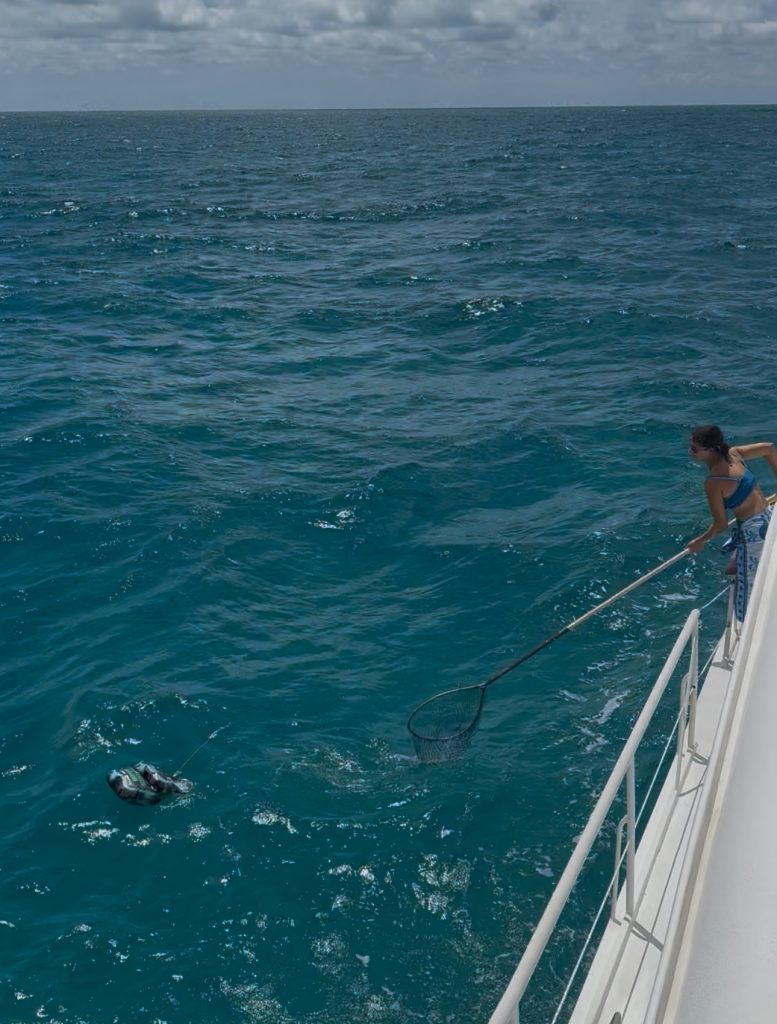
WDP research assistant picking up a balloon at our field site.